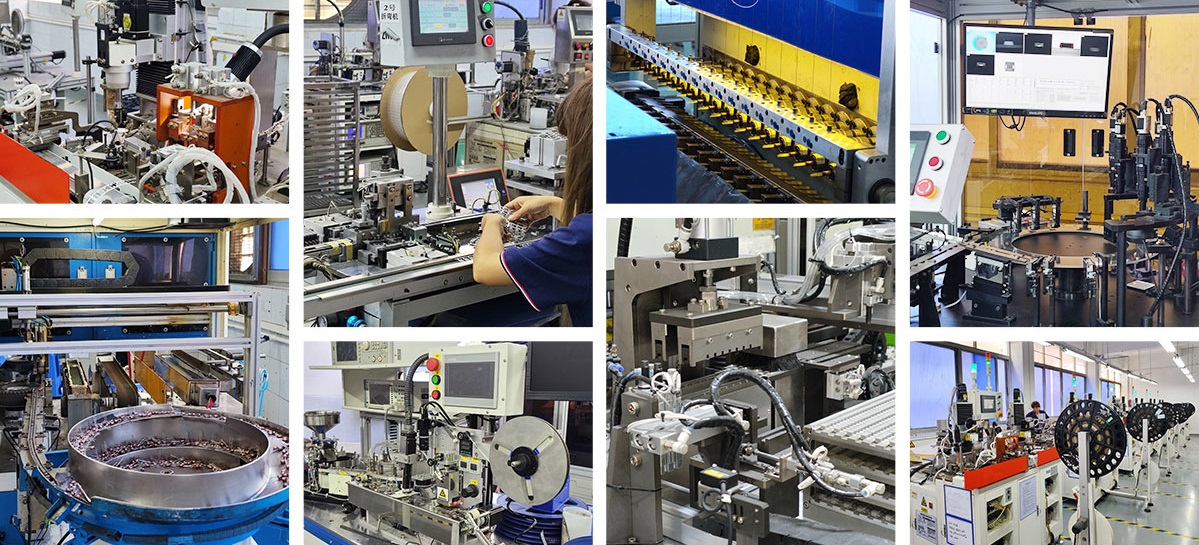
For power supply, audio, and consumer electronics manufacturers, standard products often fail to fully meet specific electrical performance, structural, and safety compliance requirements, making magnetic component customization (OEM/ODM) a common practice. A successful customization project tests both the supplier's design capabilities and relies on a clear collaborative process. This article, based on the practices of Zhixiangyuan Electronics, details the complete customization process for magnetic components from requirement confirmation and prototyping to mass production, helping customers advance their projects efficiently.
1. The Difference Between OEM and ODM
In the magnetic component field, OEM and ODM are two common cooperation models, and customers can choose based on their own R&D capabilities:
- OEM (Original Equipment Manufacturing): The customer provides complete drawings, specifications, or samples, and the supplier manufactures accordingly. Suitable for customers who already have mature designs and only need production capacity and quality assurance.
- ODM (Original Design Manufacturing): The customer only specifies functional and performance requirements, and the supplier completes core selection, winding design, and structural solutions. Suitable for customers who want to leverage the supplier's professional expertise to shorten their R&D cycle.
Regardless of the model, clear specification input is the starting point for project success. Zhixiangyuan Electronics offers both OEM and ODM services, flexibly accommodating customers with varying design capabilities.
2. The Six-Step Customization Process
A standard magnetic component customization project typically includes the following six stages:
| Stage | Key Activities | Customer Input/Approval |
|---|---|---|
| 1. Requirement Confirmation | Define electrical, structural, safety, and application environment needs | Specifications/drawings/samples, application scenarios |
| 2. Design | Core selection, winding and structural design | Approve design direction and key parameters |
| 3. Prototyping | Create samples and test key parameters | Provide test feedback |
| 4. Sample Validation | Customer-side bench testing and safety compliance verification | Approve sample qualification |
| 5. Pilot Production | Verify process stability and consistency | Approve pilot run results |
| 6. Mass Production & Delivery | Volume production, full inspection, and delivery | Place mass production orders |
3. Requirement Confirmation: Key Parameters to Define
The more complete the information at the requirements stage, the higher the prototyping success rate and the shorter the lead time. Magnetic component customization typically requires defining the following parameters:
- Electrical Parameters: Inductance, turns ratio, rated current/power, operating frequency, withstand voltage, and insulation class.
- Structural Parameters: Core model and dimensions, mounting type (through-hole/SMD/vertical/horizontal), pin configuration, and wire length.
- Environmental Requirements: Operating temperature range, moisture/dust protection needs, and whether potting or shielding is required.
- Compliance Requirements: Safety certifications (e.g., UL/VDE), environmental directives (RoHS/REACH), and industry-specific standards.
- Commercial Information: Target price, annual usage, lead time, and packaging preferences.
If the customer has reference samples or competitor products on hand, providing them along with the requirements will significantly accelerate the design and prototyping process.
4. Quality Assurance: Consistency Control from Prototyping to Mass Production
The performance of magnetic components is highly dependent on process consistency. From prototyping to mass production, quality control runs throughout:
Incoming Material and Process Control: Key materials such as cores and wire are inspected against specifications. Processes including winding, soldering, impregnation/potting, and annealing follow standardized work instructions to ensure batch-to-batch stability.
Full Inspection and Testing: During mass production, key parameters such as inductance, turns ratio, withstand voltage, and DC resistance are subject to 100% inspection or AQL sampling to eliminate defective units.
Traceability: Batch management and test records are maintained for quality traceability and continuous improvement. With over two decades of manufacturing experience and a robust quality system, Zhixiangyuan Electronics provides one-stop magnetic component customization services from design to mass production. Feel free to contact us for a quote and technical solutions.
FAQ
Q1: How long does the prototyping cycle typically take for magnetic component customization?
Prototyping for standard products typically takes from a few working days to one or two weeks, depending on structural complexity, material availability, and testing requirements. Providing complete specifications or reference samples can significantly shorten the cycle.
Q2: Can customization be done with only an idea and no drawings?
Yes. This is exactly the value of the ODM model—the customer only needs to specify functional and performance requirements, and the supplier handles core selection, winding design, and structural solutions, followed by prototyping and validation to finalize the design.
Q3: How are the MOQ and lead time for custom products determined?
MOQ and lead time depend on the specific model, materials, and order quantity. Typically, lead time for standard products is 1–3 weeks, and for custom products, 2–4 weeks. We recommend communicating target price, annual usage, and capacity requirements with the supplier in advance to receive accurate pricing and production scheduling.
Recommended Reading